April 2026 · Illustrative model · Mumbai
Why did Mumbai
get hot?
Move the sliders to see how each driver contributed — and what partial recovery looks like.
Satellite record
Greenness lost, heat gained
Monthly composites showing NDVI (vegetation) and LST (surface temperature) across five decades.
Pre-satellite
See IISc LULC
reconstruction below
1973 · pre-satellite
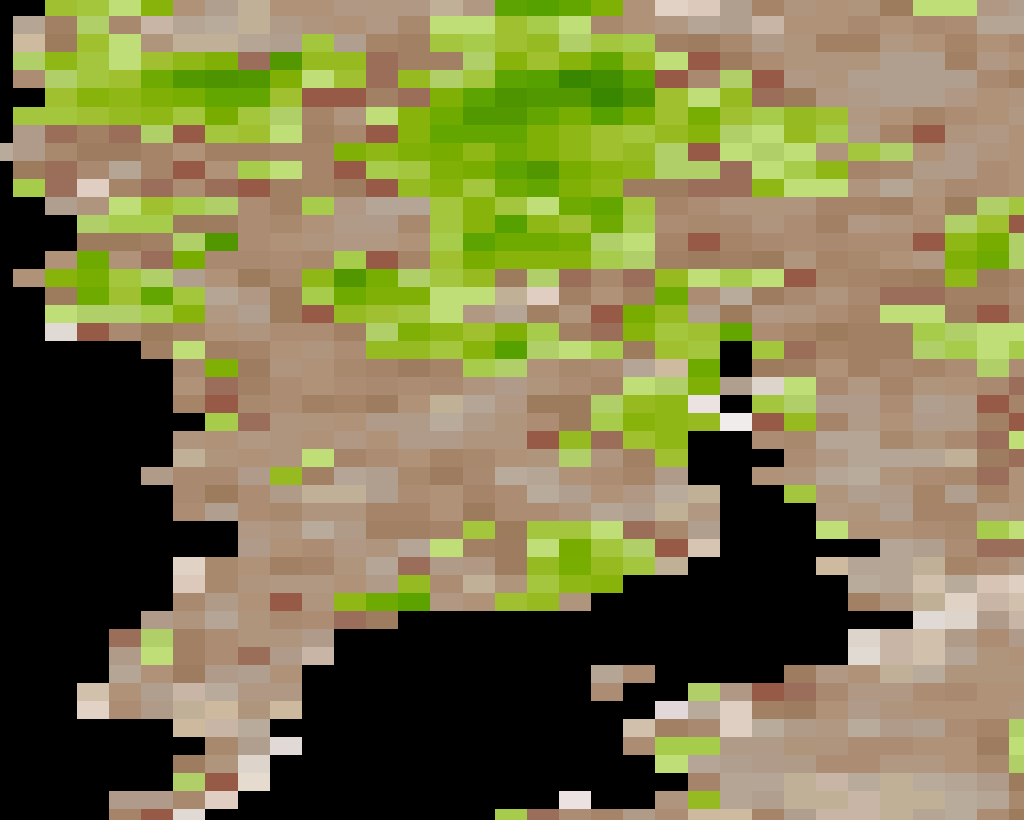
Apr 2000 · MODIS NDVI
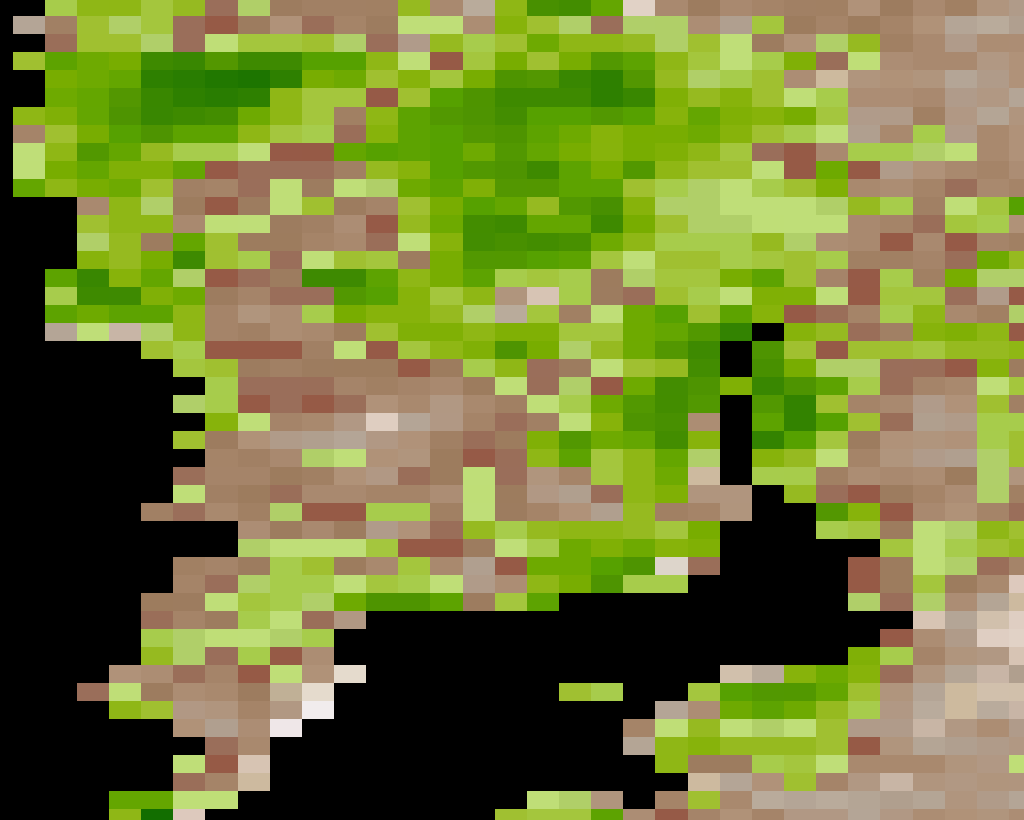
Apr 2024 · MODIS NDVI
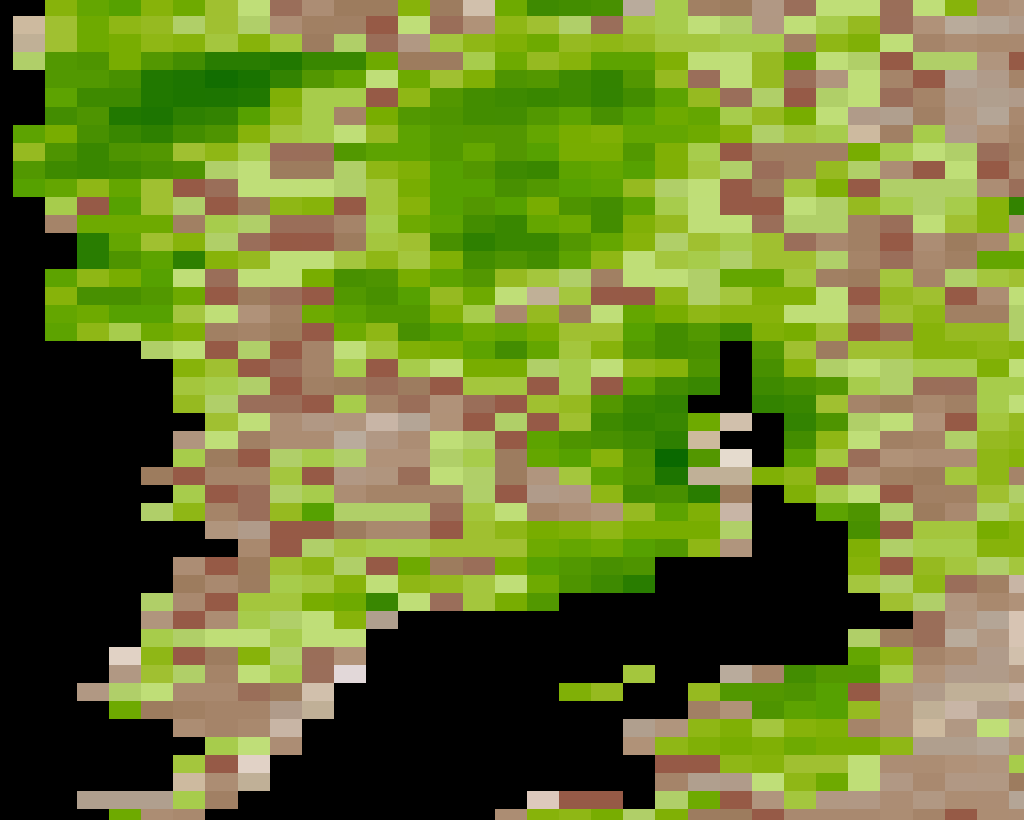
Mar 2026 · MODIS NDVI
Pre-satellite
See IISc LULC
reconstruction below
1973 · pre-satellite

Apr 2000 · MODIS LST

Apr 2024 · MODIS LST

Mar 2026 · MODIS LST
NASA EOSDIS GIBS · MODIS Terra monthly composites · 1 km native resolution
The data behind the heat
50 years of urban transformation
Mumbai, 1973 → 2026. Sources cited per card.
Mangrove loss 1990–2001
Vijay et al., IJMS 2005
Urban tree cover lost 2016–2021
MCAP 2022
Peak land surface temp rose 2003–2023
Balasundaram et al. 2025
Sea level rise rate — Apollo Bandar
NIO / PSMSL (113-yr record)
What if it played out differently?
Move the sliders to explore how much of Mumbai's temperature rise comes from tree loss, lake loss, built-up growth, and aerosols — and what a different path might have looked like.