April 2026 · Illustrative model · Bangalore
Why did Bangalore
get hot?
Move the sliders to see how each driver contributed — and what partial recovery looks like.
Satellite record
Greenness lost, heat gained
Monthly composites showing NDVI (vegetation) and LST (surface temperature) across five decades.
Pre-satellite
See IISc LULC
reconstruction below
1973 · pre-satellite
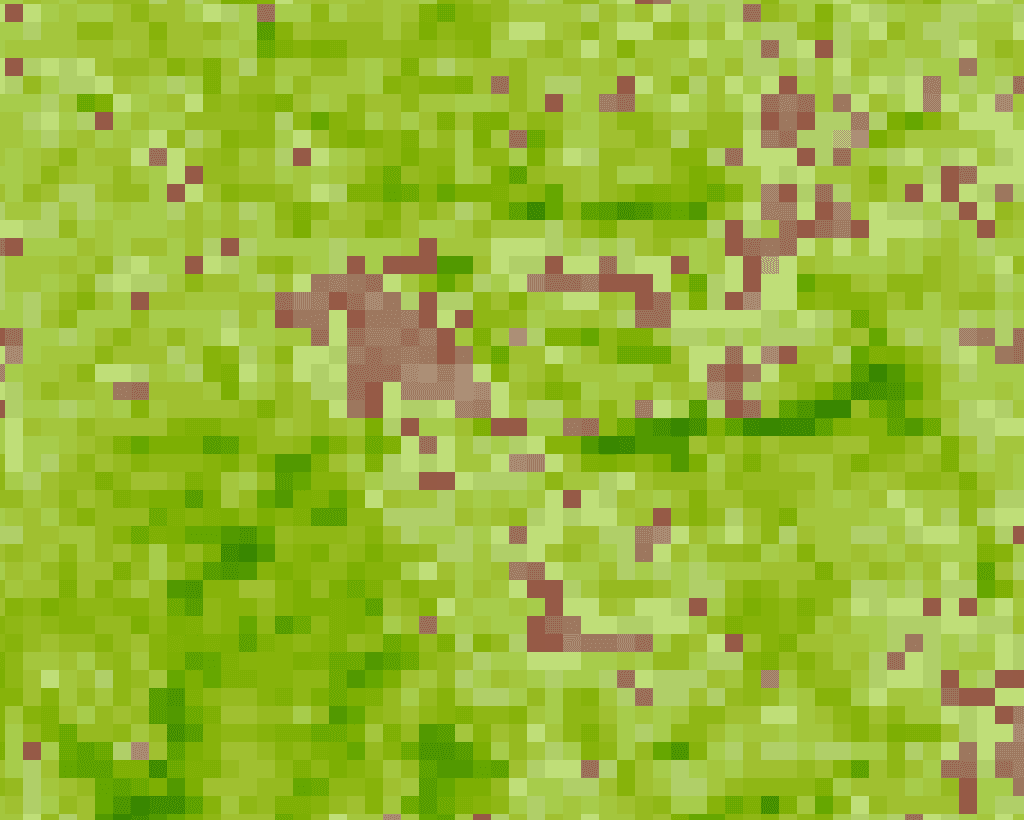
Apr 2000 · MODIS NDVI
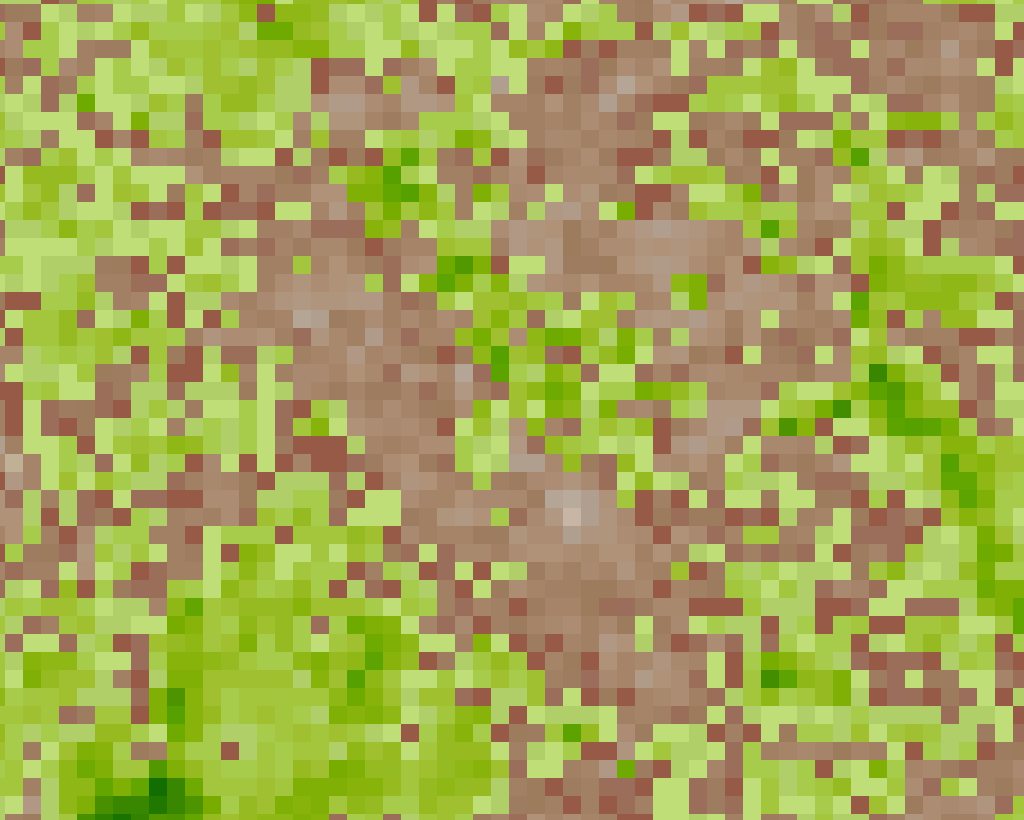
Apr 2024 · MODIS NDVI
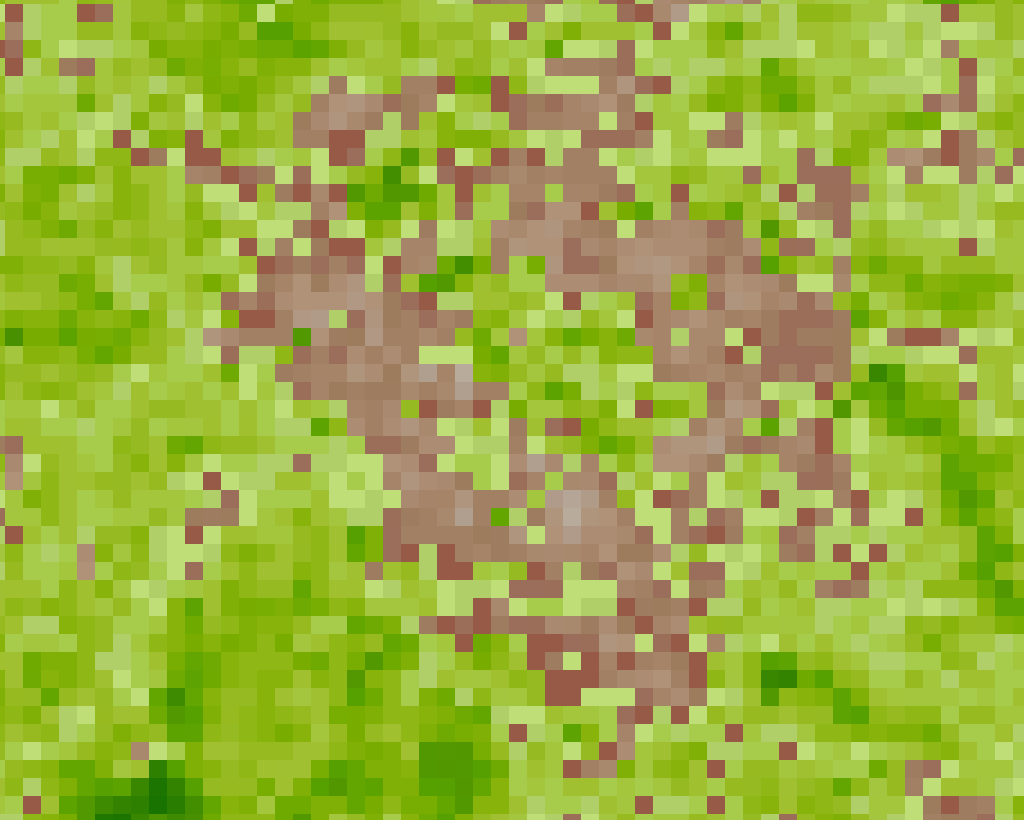
Mar 2026 · MODIS NDVI
Pre-satellite
See IISc LULC
reconstruction below
1973 · pre-satellite

Apr 2000 · MODIS LST

Apr 2024 · MODIS LST

Mar 2026 · MODIS LST
NASA EOSDIS GIBS · MODIS Terra monthly composites · 1 km native resolution
The data behind the heat
50 years of urban transformation
Bangalore, 1973 → 2026. Sources cited per card.
Tree cover lost since 1973
IISc 2023
Wetlands lost since 1973
IISc 2023
Built-up area grew by
IISc 2023
Surface temperature up
IISc / Landsat 1992–2017
What if it played out differently?
Move the sliders to explore how much of Bangalore's temperature rise comes from tree loss, lake loss, built-up growth, and aerosols — and what a different path might have looked like.